A little water beside a bathroom sink may come from a normal splash, a dripping faucet, a loose connection, or an entirely different nearby source. If you are preparing the house for holiday visitors, noticing the pattern early can help prevent a small problem from becoming a damaged cabinet or slippery floor.
1. Start by drying the visible surface.
With no electrical hazard present, wipe the counter and accessible floor dry. Do not remove plumbing parts. When moisture returns, notice whether it appears while someone is washing their hands, when water drains, or even while the sink has not been used.
2. Check the splash zone.
Water on the countertop around a faucet or basin edge may be ordinary splashing, especially if the spout points toward the back edge. A recurring wet seam, swelling laminate or soft cabinet material is different and deserves closer attention.
3. Look for drips you can observe without disturbing connections.
Use a flashlight to check the accessible vanity floor and exterior surfaces of supply hoses and drain piping, if it is safe to do so. Do not pull on hoses, loosen fittings or use your hand to search around hidden electrical wiring.
4. Watch for patterns, not just puddles.
A slow drip that appears while the faucet is off might involve a pressurized supply connection. Moisture only during draining may point elsewhere. These are clues rather than a diagnosis; some water migrates across surfaces before it becomes visible.
5. Know when to stop using the fixture.
If water is spreading, a cabinet is becoming saturated, or electrical devices may be wet, stop using the sink and keep people clear of the area. If you can safely operate the fixture's shutoff without forcing it, use it; otherwise use a known main shutoff and request appropriate help. Do not attempt electrical work near water.
Keep a simple record: where the moisture first appeared, when it returns, and a photograph of the visible area if appropriate. Avoid adding chemical drain cleaners while investigating a leak. They will not repair a loose or damaged connection and can make later work more hazardous.
Call Happy Handyman provides information about toilets and sinks and the boundaries of our water repairs services. Work requiring a licensed plumbing or electrical professional should be handled by an appropriately licensed provider. We do not represent every fixture problem as a do-it-yourself fix or guarantee its cause without inspection.
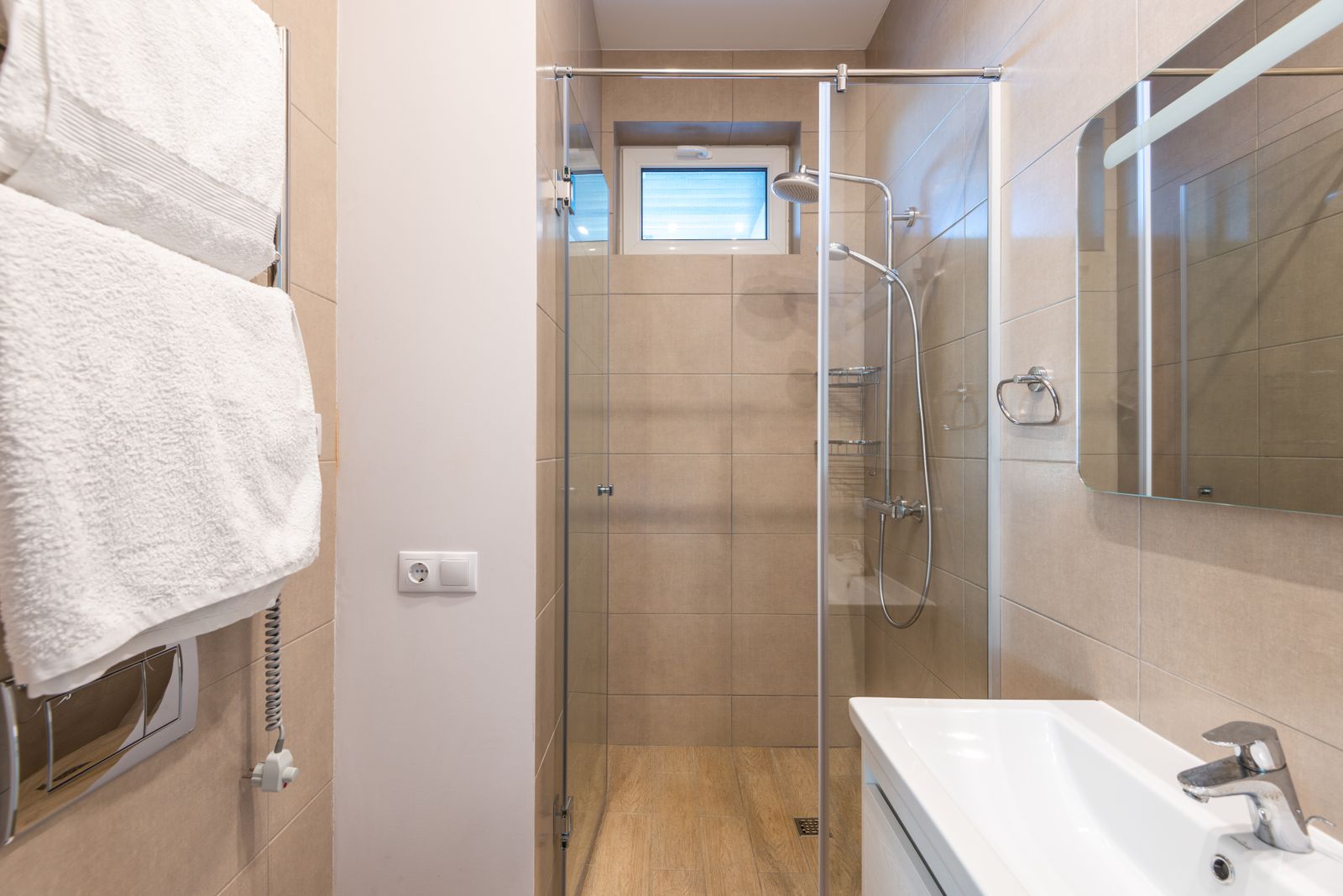
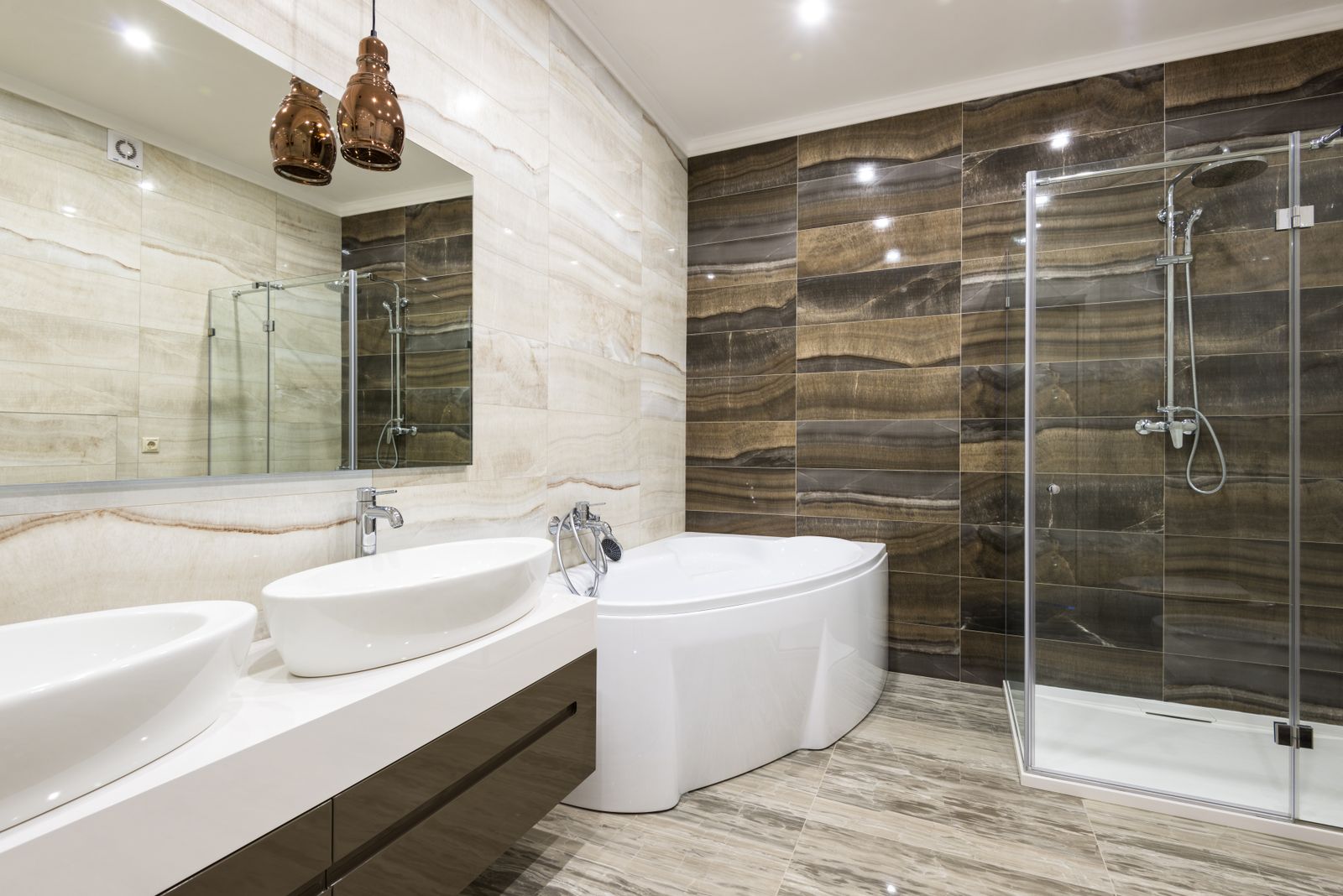
Photo note: The bathroom cover is licensed illustrative photography; it is not presented as a real customer leak, diagnosis or completed repair.
For household repairs and ongoing upkeep, see our handyman and water repair services or property maintenance.
Thanks for reading. Check back with our family for more practical ideas to help care for your home.